Komple Hava Kompresörü Kılavuzu:
Türler, Parçalar, Çalıştırma ve Bakım
Yağsız kaydırma ünitelerinden endüstriyel döner vidalara kadar mühendislerin, tesis yöneticilerinin ve alıcıların basınçlı hava sistemleri hakkında bilmesi gereken her şey.
Basınçlı Hava Nedir ve Hava Kompresörleri Ne İşe Yarar?
Basınçlı hava, yukarıdan basınçlandırılmış atmosferik havadır. 14,7 psi (1 bar) mekanik bir cihazla. Hava kompresörler Mekanik enerjiyi pnömatik enerjiye dönüştürün ve bunu talep üzerine elektrikli aletlere, silindirleri harekete geçirmek, kaplamaları püskürtmek veya tıbbi ve endüstriyel prosesleri desteklemek için serbest bırakılabilen basınçlı hava olarak depolayın.
Termodinamik açıdan sıkıştırma, ideal gaz yasasına göre hem basıncı hem de sıcaklığı artırır. Çoğu endüstriyel kompresör üç termodinamik döngüden birinde çalışır: izotermal (sabit sıcaklık, teorik olarak en verimli), adyabatik (ısı değişimi yok, gerçek dünya varsayılanı) veya politropik (ikisinin pratik bir karışımı).
Hava Kompresörü Tipleri: Doğrudan Karşılaştırma
Yanlış kompresör tipini seçmek en yaygın ve maliyetli hatadır. Aşağıdaki tablo tüm ana türleri kapsamaktadır.
| Tür | Çalışma Prensibi | Basınç Aralığı | En İyi Uygulama |
|---|---|---|---|
| Döner Vida | Birbirine geçen iki sarmal rotor havayı yakalar ve sıkıştırır | 80–200 psi | Sürekli endüstriyel kullanım, imalat |
| pistonlu | Piston havayı sıkıştırmak için silindirin içinde hareket eder | 100–6.000 psi | Aralıklı görev, atölyeler |
| Santrifüj | Yüksek hızlı pervane havayı hızlandırır ve dağıtır | 15–150 psi | Çok büyük hacimler (>500 hp), petrokimya |
| Yağsız | PTFE/su enjeksiyonlu veya kuru vidalar | 100–150 psi | Tıp, yiyecek ve içecek, elektronik |
| Kaydırma | Havayı sıkıştırmak için iki spiral kaydırma yörüngede | 80–145 psi | Laboratuvarlar, dişçilik, düşük gürültülü ortamlar |
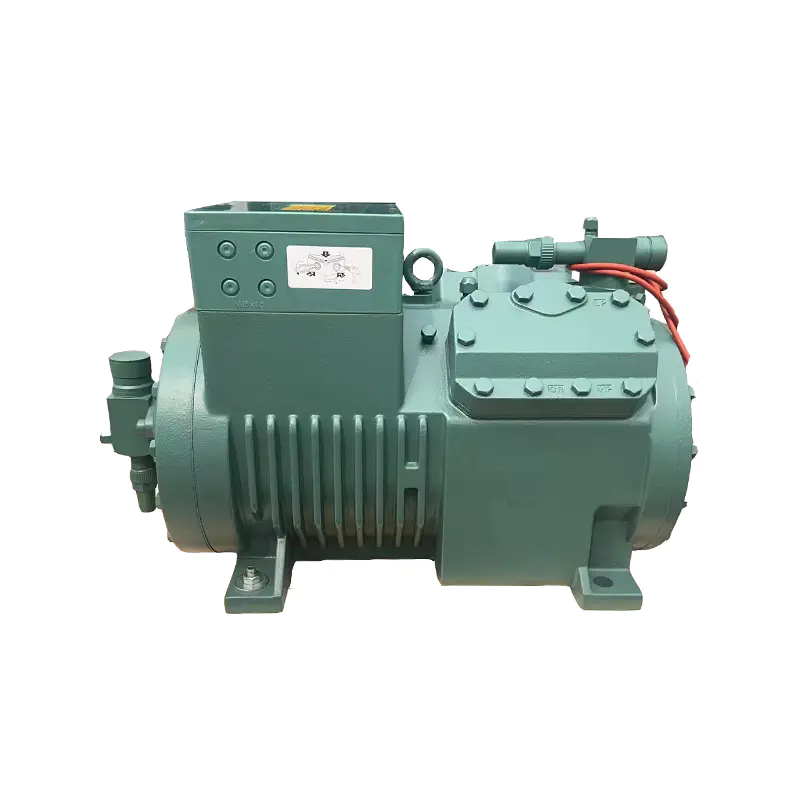
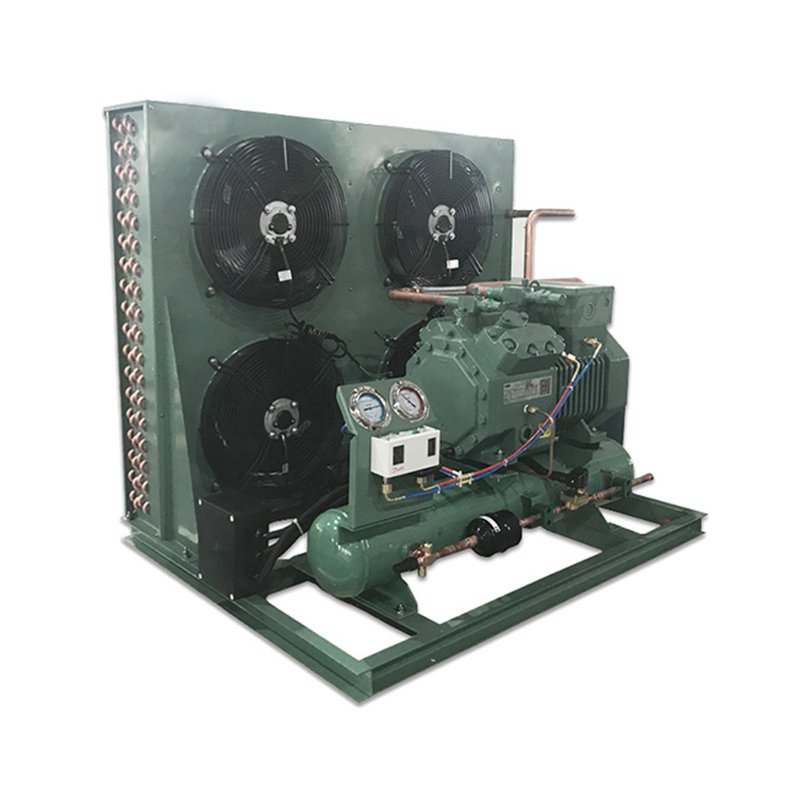
Döner Vidalı Hava Kompresörleri: Endüstriyel İş Makinası
Döner vidalı kompresörler dünya genelinde endüstriyel basınçlı hava tesislerinin %70'inden fazlasını oluşturur. Atlas Copco'nun GA serisi vidalı kompresörleri 5 kW ile 900 kW arasında değişir. Temel avantajlar şunları içerir:
- %100 görev döngüsü — aşırı ısınma olmadan 7/24 çalışacak şekilde tasarlanmıştır
- Karşılıklı tiplere (85-95 dB) kıyasla daha düşük ses seviyeleri (60–75 dB)
- Değişken hızlı sürücü (VSD) versiyonları enerji tüketimini şu şekilde azaltır: %35'e kadar
- Yağla doldurulmuş varyantlar 7-13 barda hava sağlar; yağsız çeşitler ISO 8573-1 Sınıf 0'ı karşılar
Yağsız Hava Kompresörleri: Saflık Tartışmasız Olduğunda
Yağ kirliliğinin eser miktarda bile olsa ürün kaybına veya güvenlik riskine neden olduğu durumlarda yağsız kompresörler zorunludur — farmasötik dolum hatları, yarı iletken fabrikalar ve gıda ambalajları. ISO 8573-1 Sınıf 0, yağ içeriğinin 0,01 mg/m³'ün altında doğrulandığı anlamına gelir.
Üç ana yağsız teknoloji
- PTFE kaplı kuru vidalar: Sıkıştırma odasında yağlama yok; 15–315 kW aralığında en yaygın olanı
- Su enjeksiyonlu vidalar: Sızdırmazlık ve soğutma için yağın yerini su alır; çok temiz ve serin hava üretir
- Kaydırmalı kompresörler: Tasarımı gereği yağ içermez; 40–65 dB'de ultra sessiz; laboratuvarlar ve klinikler için tercih edilir
Not: yağsız üniteler genellikle yağla yağlanan muadillerine göre %20-40 daha fazla ön maliyete sahiptir ancak sonraki filtreleme maliyetlerini ortadan kaldırır.
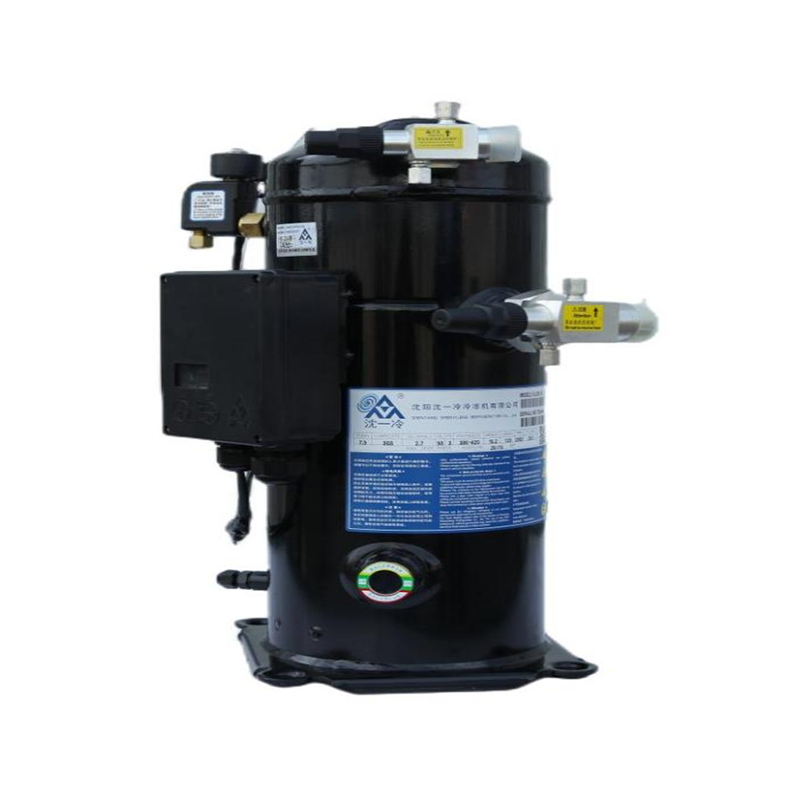
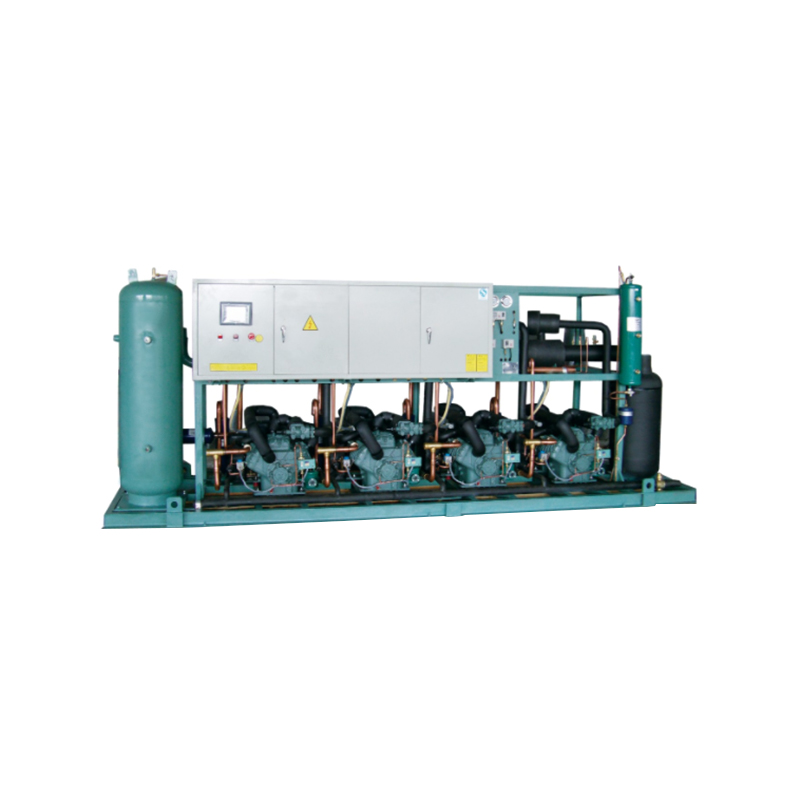
Santrifüj Hava Kompresörleri: Yüksek Hacimli, Sürekli Akış
Santrifüj (turbo) kompresörler yüksek hızlı bir pervane kullanır; genellikle 20.000–60.000 dev/dak - havaya kinetik enerji vermek ve bu enerjiyi daha sonra bir difüzörde basınca dönüştürmek. Sıkıştırma yolunda doğal olarak yağ içermezler ve çok yüksek akış hızlarında (tipik olarak 200 cfm'nin üzerinde) üstün performans gösterirler. Yaygın uygulamalar arasında büyük HVAC sistemleri, çelik fabrikaları ve doğal gaz işleme yer alır.
Ana sınırlamaları: Santrifüj kompresörler "dalgalanma"ya (düşük akışta aerodinamik dengesizlik) karşı hassastır ve çalışma ortamlarında kalabilmek için hassas kontrol sistemleri gerektirir.
Tıbbi Hava Kompresörleri: Daha Katı Standartlar, Daha Yüksek Riskler
Tıbbi kalitede havanın karşılanması gerekir HTM 02-01 (İngiltere), NFPA 99 (ABD) veya ISO 7396-1 (uluslararası) standartlar. Temel gereksinimler:
- %100 yağsız sıkıştırma (kaydırma veya kuru vidalı tip)
- -40 °C'nin altındaki çiğlenme noktasına kadar özel kurutma
- Sıfır kesinti süresi için çift yönlü (N 1) konfigürasyon
- Kullanım noktasında sürekli CO ve O₂ izleme
- Verilen basınç 4–5 bar (58–73 psi) koğuş çıkışında
Tıbbi hava, ventilatörlerde, cerrahi aletlerde ve anestezik dağıtım sistemlerinin çalıştırılmasında kullanılır. asla endüstriyel sınıf havayla değiştirmeyin.
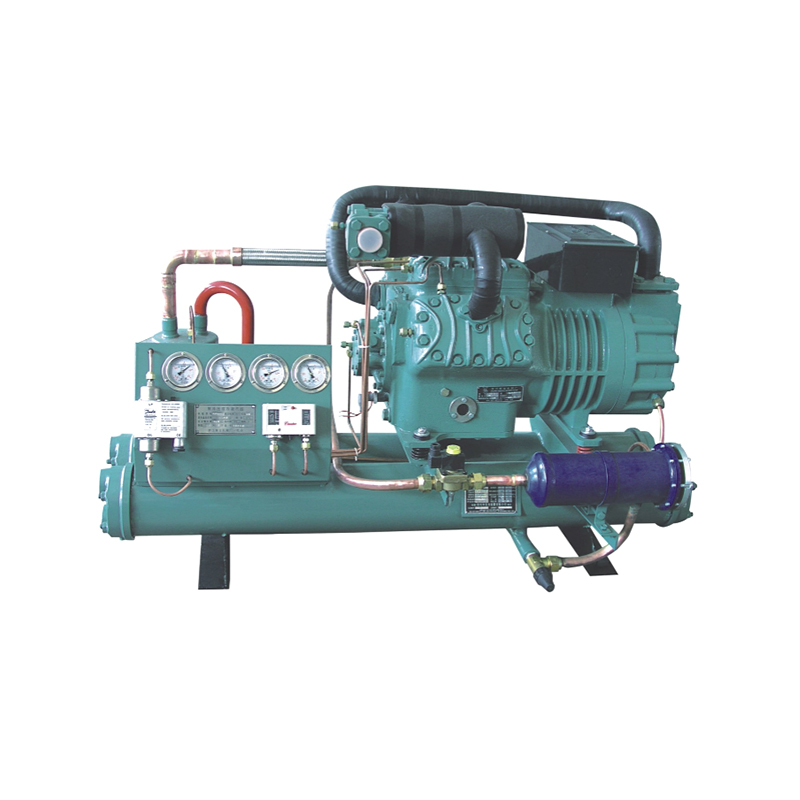
Hava Kompresörünün Parçaları: İçerisinde Ne Var?
| Parça | İşlev | Arıza Belirtisi |
|---|---|---|
| Hava Filtresi | Sıkıştırmadan önce tozu giderir | Aşırı ısınma, azaltılmış akış |
| Sıkıştırma Elemanı | Pistonlar, vidalar veya çarklar aracılığıyla basıncı artırır | Basınç düşüşü, gürültü |
| Elektrik Motoru | Sıkıştırma elemanını çalıştırır | Başlamıyor, gezi kesici |
| Alıcı Tankı | Havayı depolar, basınç dalgalanmalarını azaltır | Kısa döngülü, basınç artışları |
| Son soğutucu | Basınçlı havayı soğutur, nemi yoğunlaştırır | Aşağı yönde ıslak hava |
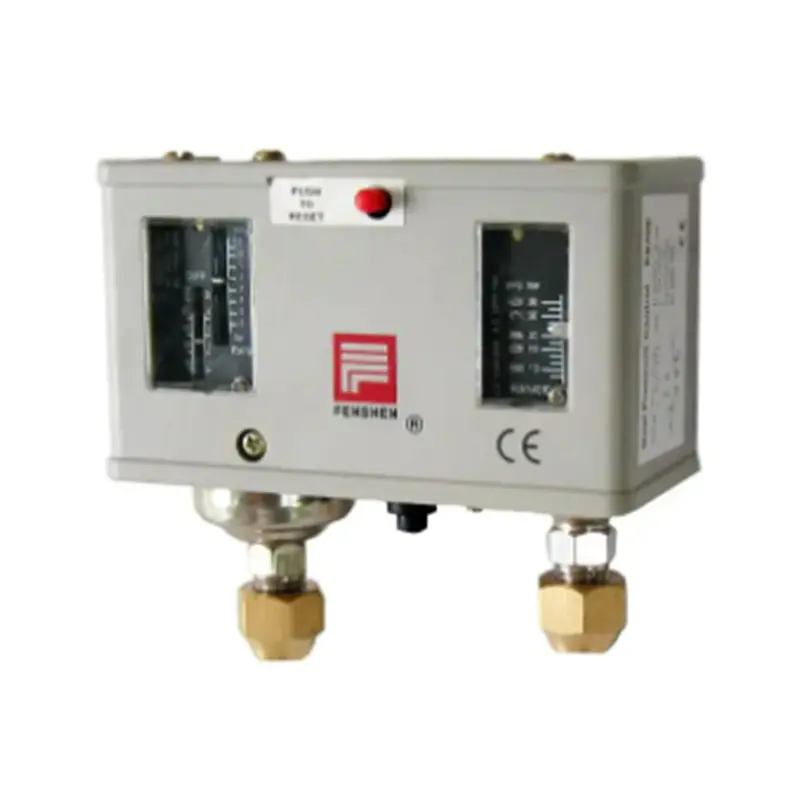
| Basınç Anahtarı | Üniteyi ayarlanan basınç bandında başlatır/durdurur | Sürekli çalışma veya başlatma yok |
| Emniyet Tahliye Vanası | Basınç güvenli sınırı aşarsa havayı tahliye eder | Sürekli havalandırma, aşırı basınç |
| Kurutucu | Basınçlı havadaki su buharını giderir | Hatlarda pas, alet hasarı |
Hava Kompresörü Aşırı Isınması: Nedenleri, Sonuçları ve Çözümleri
Aşırı ısınma, kompresörün plansız kapanmasının başlıca nedenidir. Çoğu ünite 100–110 °C'de (212–230 °F) alarm verir. Yaygın kök nedenler:
- Tıkanmış hava filtresi — her 2.000 çalışma saatinde bir değiştirin
- Kirli yağ soğutucusu — kanatçık kirlenmesi soğutma kapasitesini %40'a kadar azaltır
- Düşük yağ seviyesi — Su dolu vidalı tasarımlarda soğutmanın %80'ini yağ sağlar
- Yüksek ortam sıcaklığı — çoğu kompresör ≤40 °C (104 °F) giriş için derecelendirilmiştir
- Termal bypass valfi açık sıkışmış — yağın soğutucuyu tamamen atlamasına neden olur
Tekrarlanan aşırı ısınma, yağın bozulmasını hızlandırır, contaların bozulmasına neden olur ve vidalı rotorlarda kalıcı hasara yol açabilir; yeniden inşası binlerce avroya mal olur.
Sıkıştırmanın Termodinamiği: Pratik Olarak Neden Önemlidir?
Sıkıştırma her zaman ısı üretir. 1 bar'dan 7 bar'a kadar basınç uygulayan tek kademeli bir ünite için tahliye havası sıcaklığı Son soğutmadan önce 180–220 °C . Ara soğutmalı iki aşamalı sıkıştırma bunu önemli ölçüde azaltarak enerji tüketimini azaltır. %10–15 aynı son basınç için.
Spesifik güç (m³/dak başına kW) temel verimlilik ölçütüdür. İyi bir yağla doldurulmuş vidalı kompresör şunları başarır: 7 barda m³/dak başına 5,5–7,0 kW . Yağsız üniteler, daha yüksek iç sızıntı nedeniyle eşdeğer çıkış için %10-15 daha fazla enerji tüketir.
%94'e kadar Sıkıştırma ısısının büyük bir kısmı, proses suyunun ön ısıtılması için bir yağ/su ısı eşanjörü yoluyla yeniden yakalanabilir; bu, birçok tesisin gözden kaçırdığı pratik bir enerji tasarrufudur.
SSS: Hava Kompresörleri
Hangi boyutta hava kompresörüne ihtiyacım var?
Aynı anda çalıştıracağınız tüm takımların CFM talebini toplayın ve ardından %25-30'luk bir güvenlik marjı ekleyin. Temel kural: Aralıklı kullanım için 1 cfm talep başına 1 galon tank.
Kompresör yağını ne sıklıkla değiştirmeliyim?
Mineral yağ: her 1.000–2.000 çalışma saatinde bir. Sentetik yağ: her 4.000–8.000 saatte bir. Daima OEM spesifikasyonlarına uyun; yanlış viskozite, rulman arızasının yaygın bir nedenidir.
Tıbbi kullanım için normal bir kompresör kullanabilir miyim?
Hayır. Standart kompresörler ISO 8573-1 Sınıf 0 veya tıbbi gaz standartlarını karşılamaz. Doğrulanmış izleme özelliğine sahip sertifikalı yağsız bir üniteye ihtiyacınız var.
Kompresörüm neden sürekli aşırı ısınıyor?
Sırayla kontrol edin: (1) hava filtresinin durumu, (2) yağ seviyesi ve kalitesi, (3) soğutucunun temizliği, (4) ortam sıcaklığı ve havalandırma, (5) termal bypass valfi. Çoğu yolculuk 1-3. adımlarla çözümlenir.
Yağ enjeksiyonlu ve yağsız döner vida: fark nedir?
Yağ enjeksiyonlu, yağ keçelerinde rotorları yağlayın ve soğutun; bu, bir ayırıcı tarafından aşağı yönde uzaklaştırılır. Yağsız, PTFE kaplı rotorlar, hava akışına hiçbir zaman yağ temas etmeden kuru çalışır ve ISO Sınıf 0 kalitesini garanti eder.
Bir kompresörün hangi rutin bakıma ihtiyacı vardır?
Günlük: Yoğuşma suyunu boşaltın, yağı kontrol edin. Haftalık: hava filtresini inceleyin, sızıntı olup olmadığını kontrol edin (7 bar'da 3 mm'lik bir sızıntı sürekli olarak ~0,6 kW israfına neden olur). Her 2.000 saatte bir: filtreleri, yağ ayırıcıyı değiştirin. Yıllık: Valf ve kontrolör kalibrasyonu dahil tam servis.