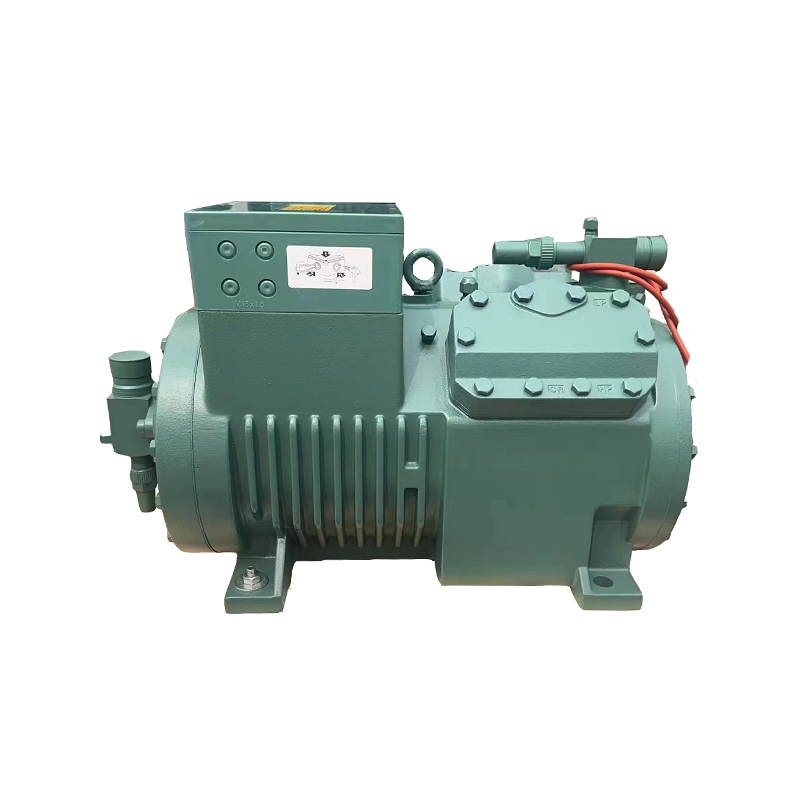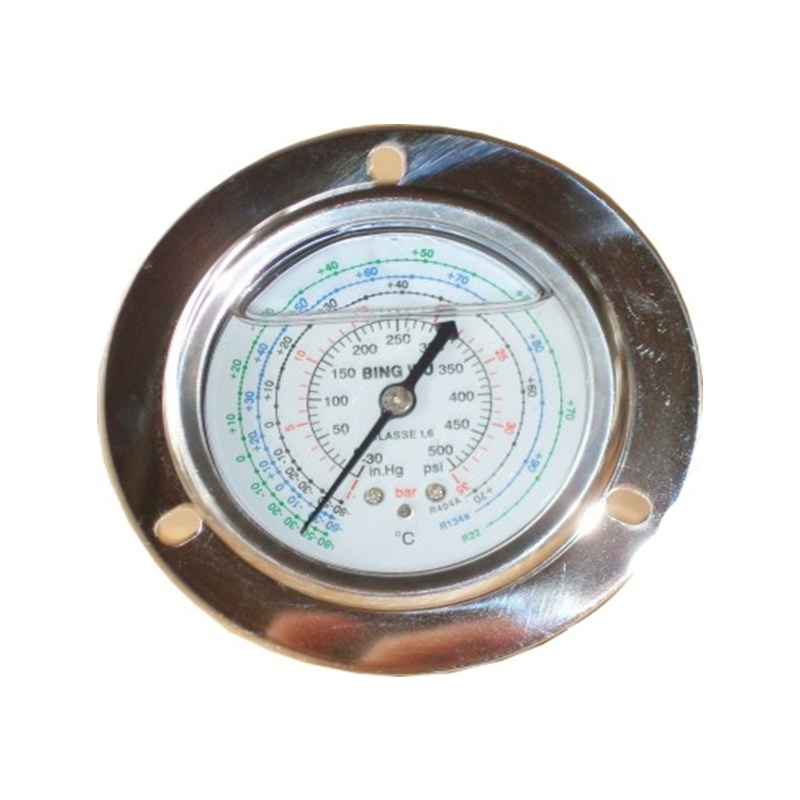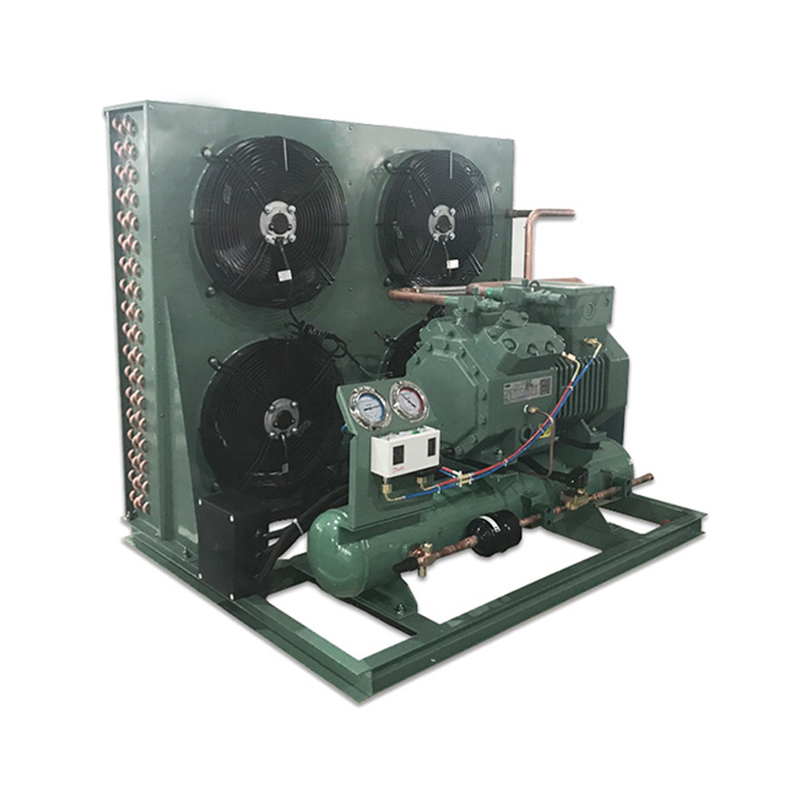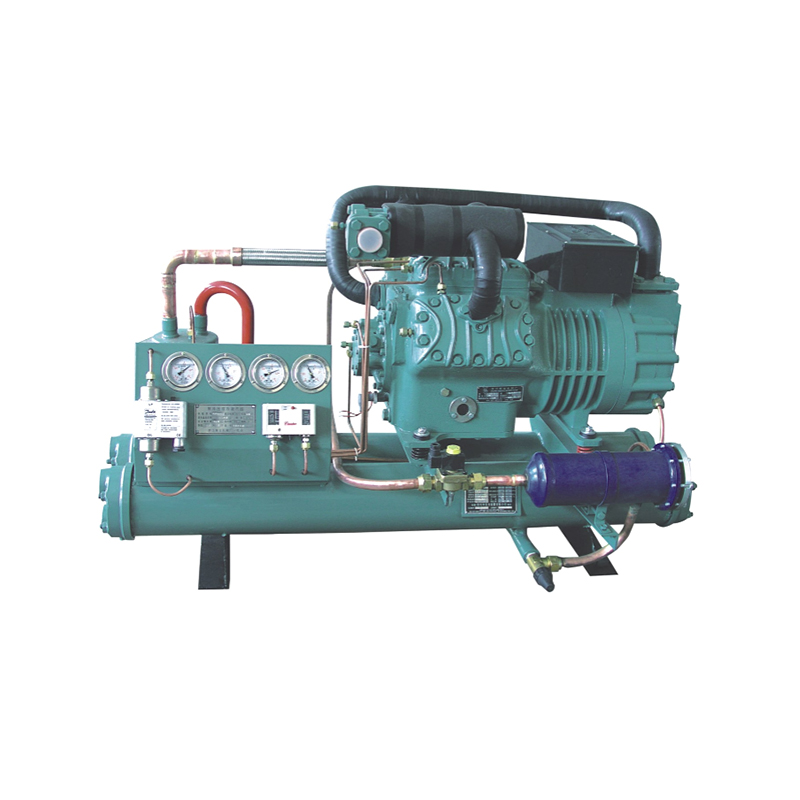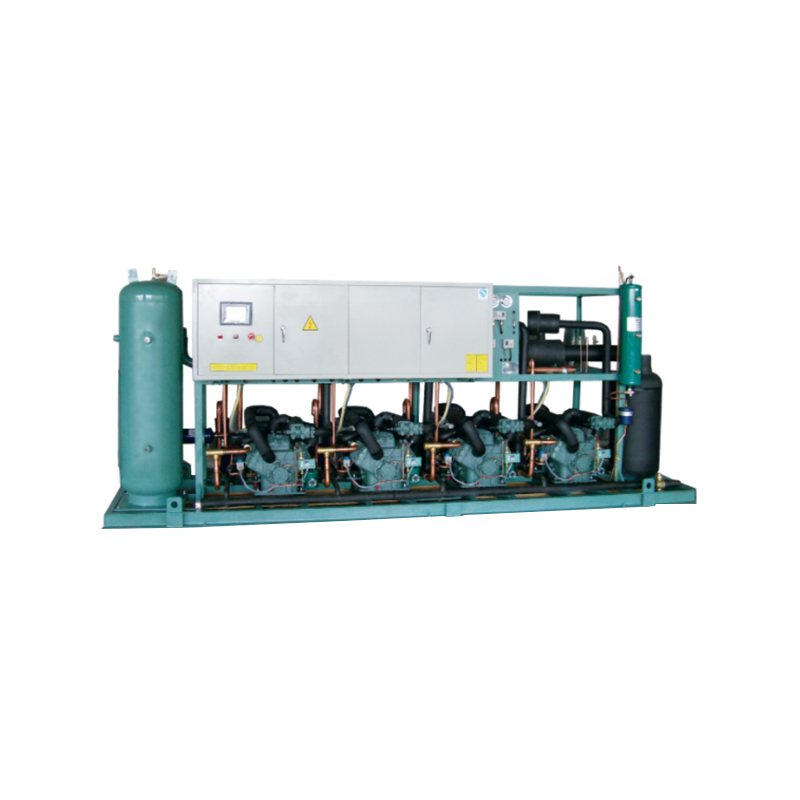
bir yoğunlaştırıcı bir buhar veya gazdan ısıyı alarak sıvı hale dönüştüren bir ısı eşanjörüdür. Endüstriyel ve HVAC uygulamalarında kondansatörler sistem verimliliğini, güvenilirliğini ve işletme maliyetini belirleyen kritik bileşenlerdir. Doğru kondenser tipinin seçilmesi sistemin enerji verimliliğini %15-40 oranında artırabilir optimal olmayan bir seçimle karşılaştırıldığında. Bu kılavuz, tüm önemli kondansatör kategorilerini, temel özellikleri, malzemeleri, soğutucuları, standartları ve pratik uygulamaları kapsar.

Kondenser Nedir ve Nasıl Çalışır?
bir condenser operates on the thermodynamic principle of latent heat release. When a hot vapor passes through the condenser, it transfers heat to a cooling medium — air, water, or a secondary refrigerant — causing the vapor to condense into liquid. In a refrigeration cycle, the high-pressure refrigerant vapor leaving the compressor enters the condenser, rejects heat, and exits as a high-pressure liquid ready for the expansion valve.
Yoğuşturucu performansını belirleyen temel ısı transfer denklemi şöyledir:
Q = U × A × LMTD
Q, ısı transfer hızı (W), U, genel ısı transfer katsayısı (W/m²·K), A, ısı transfer yüzey alanıdır (m²) ve LMTD, log ortalama sıcaklık farkıdır (K). Her değişkenin maksimuma çıkarılması, daha kompakt ve etkili kondenser tasarımlarına yol açar.

Kondenser Türleri: Tam Bir Genel Bakış
Kondansatörler genel olarak kullanılan soğutma ortamına ve fiziksel yapılarına göre sınıflandırılır. Her türün farklı uygulamalara, kapasite aralıklarına ve çevre koşullarına uygun belirli güçleri vardır.
birir-Cooled Condensers
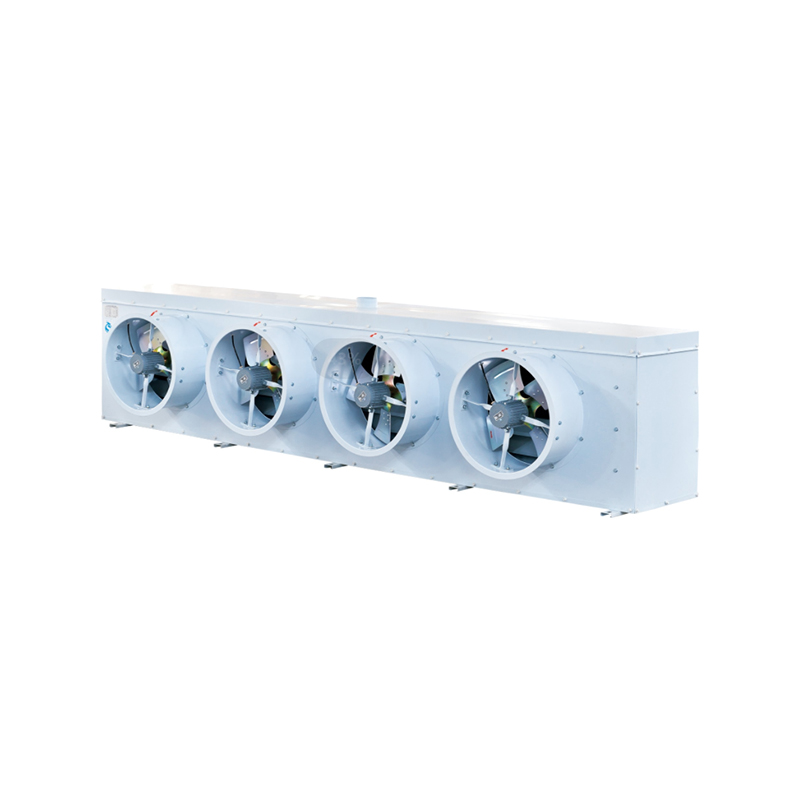
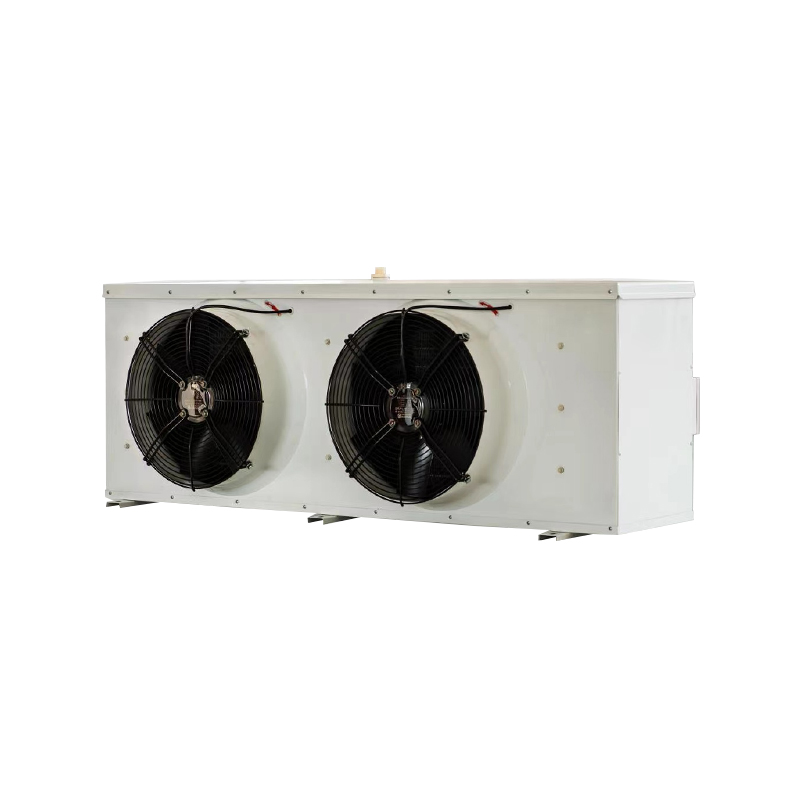
birir-cooled condensers use ambient air as the cooling medium, circulated by fans over finned coils. They are the most common type in residential and light commercial HVAC systems. Typical U-values range from 25–50 W/m²·K . Temel avantajları arasında su tüketiminin olmaması, minimum bakım ve daha basit kurulum sayılabilir. Ancak, yüksek ortam sıcaklığına sahip ortamlarda performansları düşer; verimlilik, tasarım ortam sıcaklığının üzerinde her °C başına kabaca %1-2 düşer.
- 1 kW'tan 500 kW'a kadar kapasiteler için uygundur
- Su arıtma maliyeti veya lejyonella riski yok
- Sıcak iklimlerde su soğutmalı tiplere göre daha yüksek yoğuşma sıcaklıkları
Su Soğutmalı Kondenserler
Su soğutmalı kondenserler, soğutulmuş suyu veya soğutma kulesi suyunu kabuk tarafı veya boru tarafı boyunca dolaştırarak soğutucu buharının verimli bir şekilde yoğunlaşmasına olanak tanır. U değerleri tipik olarak 800–3.000 W/m²·K Bu da onları hava soğutmalı tasarımlara göre termal açıdan çok daha verimli hale getiriyor. Büyük ticari soğutucular, endüstriyel soğutma ve veri merkezi soğutması için tercih edilirler. Birincil dezavantaj, bir soğutma kulesine, su arıtma sistemine ve kireçlenmeyi ve biyolojik kirlenmeyi önlemek için düzenli bakıma duyulan ihtiyaçtır.
Evaporatif Kondenserler
Evaporatif kondenserler su ve hava soğutmasını birleştirir. Serpantin yüzeyine su püskürtülürken ve serpantin üzerine hava üflenirken soğutucu akışkan serpantinlerden akar. Püskürtme suyunun buharlaşması, ısı atma kapasitesini önemli ölçüde artırır. Evaporatif kondenserler, kuru hava soğutmalı ünitelere kıyasla yoğunlaşma sıcaklıklarını 10–15°C azaltabilir aynı ortam koşullarında kompresör gücünü %15–25 oranında azaltır. Endüstriyel soğutma, gıda işleme ve süpermarket sistemlerinde yaygın olarak kullanılırlar.
Kabuk ve Borulu Kondenserler
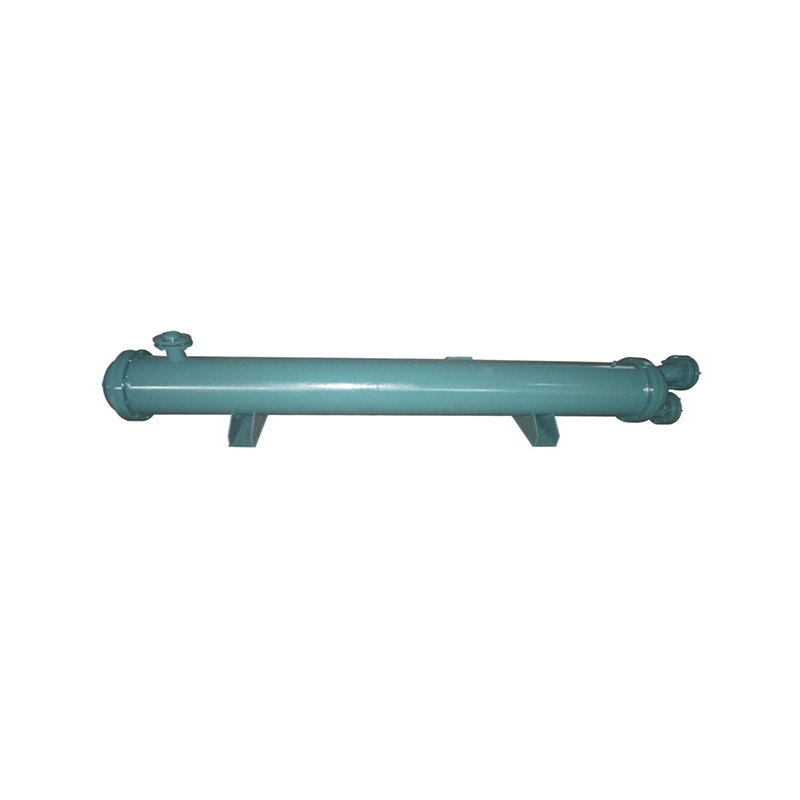
Kabuk-borulu kondenserler endüstriyel ısı değişiminin en önemli gücüdür. Soğutma suyu tüplerin içinden akarken, soğutucu akışkan veya proses buharı kabuk tarafında (veya tüplerin içinde) yoğunlaşır. Boru sayıları birkaç düzineden binlerceye kadar değişir ve kabuk çapları 150 mm'den 3.000 mm'nin üzerine kadar değişir. kadar baskılara karşı koyarlar 300 bar özel tasarımlarda ve kriyojenikten 500°C'nin üzerine kadar sıcaklıklarda üretilir; bu da onları petrokimya, enerji üretimi ve farmasötik uygulamalar için uygun kılar.

Plakalı Kondenserler ve Lehimli Plakalı Eşanjörler
Plakalı kondansatörler, alternatif sıcak ve soğuk akış kanalları oluşturmak için birbirine preslenmiş oluklu metal plakalar kullanır. U-değerlerine ulaşırlar 3.000–6.000 W/m²·K sıvıdan sıvıya serviste - kabuk ve borulu ünitelerden iki ila dört kat daha yüksek. Kompakt boyutları onları ısı pompalarında, bölgesel ısıtmada ve küçük endüstriyel sistemlerde popüler kılmaktadır. Contalı plakalı ısı eşanjörleri (GPHE'ler) temizlik için kolayca sökülmesine olanak tanırken, lehimli plakalı ısı eşanjörleri (BPHE'ler) kalıcı olarak yalıtılmıştır ve daha yüksek basınçlara uygundur.
Çift Borulu (Tüp İçinde Boru) Kondenserler
En basit kondansatör geometrisi: bir akışkan iç borudan, diğeri ise halkadan akar. Çift borulu üniteler ucuzdur, temizlenmesi kolaydır ve plakayı veya kanatlı borulu üniteleri tıkayabilecek viskoz, kirletici veya aşındırıcı sıvılarla çalışabilir. Kapasite genellikle sınırlıdır 50 kW'ın altında Bu da onları küçük ölçekli farmasötik, gıda işleme veya laboratuvar uygulamaları için uygun hale getiriyor.
Kondenser Tipleri Karşılaştırma Tablosu
| Tür | Soğutma Ortamı | Tipik U-Değeri (W/m²·K) | Kapasite Aralığı | Temel Avantaj | Anahtar Sınırlaması |
|---|---|---|---|---|---|
| birir-Cooled | birmbient Air | 25–50 | 1 kW – 500 kW | Suya gerek yok | Sıcak ortam verimliliği azaltır |
| Su Soğutmalı | Su / Soğutma Kulesi | 800–3.000 | 10 kW – 10 MW | Yüksek verimlilik | Su arıtması gerekli |
| Evaporatif | birir Water Spray | 500–1.500 | 50 kW – 5 MW | Daha düşük yoğunlaşma sıcaklıkları | Lejyonella riski, su kullanımı |
| Kabuk ve Boru | Su / Proses Sıvısı | 500–2.500 | Sınırsız (modüler) | Sağlam, yüksek basınç derecesine sahip | Büyük ayak izi, daha ağır |
| Plaka (BPHE/GPHE) | Su / Soğutucu Akışkan | 3.000–6.000 | 1 kW – 2 MW | Kompakt, yüksek U değeri | Kirlenme hassasiyeti |
| Çift Borulu | Su / Proses Sıvısı | 300–900 | 50 kW'a kadar | Temizlemesi kolay, düşük maliyetli | Yalnızca düşük kapasite |
HVAC Yoğuşmalı Üniteler: Tasarım ve Seçim
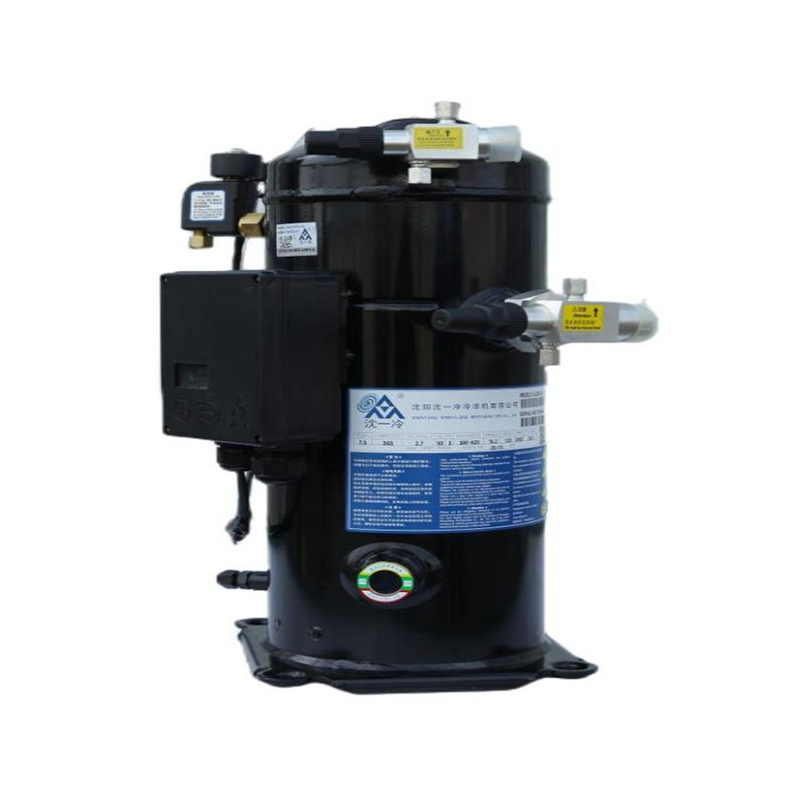
birn HVAC condensing unit is a self-contained assembly that integrates a compressor, condenser coil, condenser fan(s), and controls into a single outdoor unit. It is the outdoor half of a split-system air conditioner or heat pump. Condensing unit capacity is rated in tons of refrigeration (TR) or kilowatts — bir ton soğutma 3.517 kW'a eşittir ısı reddi.
Anahtar Seçim Parametreleri
- Tasarım ortam sıcaklığı: birHRI standard rating conditions use 35°C (95°F) outdoor dry-bulb. In hotter climates (e.g., Middle East or Arizona), derated performance curves must be used.
- EER / COP: Enerji Verimliliği Oranı (EER), giriş watt'ı başına soğutma çıkışını ölçer. Modern yüksek verimli yoğunlaştırma üniteleri, 14 Btu/W·h'nin (COP > 4,1) üzerinde EER değerlerine ulaşır.
- Soğutucu tipi: R-410A, Kigali Değişikliği kapsamında aşamalı olarak kullanımdan kaldırılıyor; R-32 ve R-454B, 2026 ve sonrasında yeni ekipmanlar için giderek daha fazla standart tercih haline gelecek.
- Gürültü seviyeleri: Konut kurulumları genellikle 1 metrede 65 dB(A)'nın altında bir ses gerektirir. EC fan motorları ve kompresör battaniyeleri, standart konfigürasyonlarla karşılaştırıldığında gürültüyü 5–10 dB azaltabilir.
- Ayak izi ve açıklık: birSHRAE guidelines recommend a minimum 600 mm clearance on all sides for adequate airflow; insufficient clearance can raise condensing temperature by 5–8°C.
Endüstriyel Soğutma Yoğuşmalı Üniteler
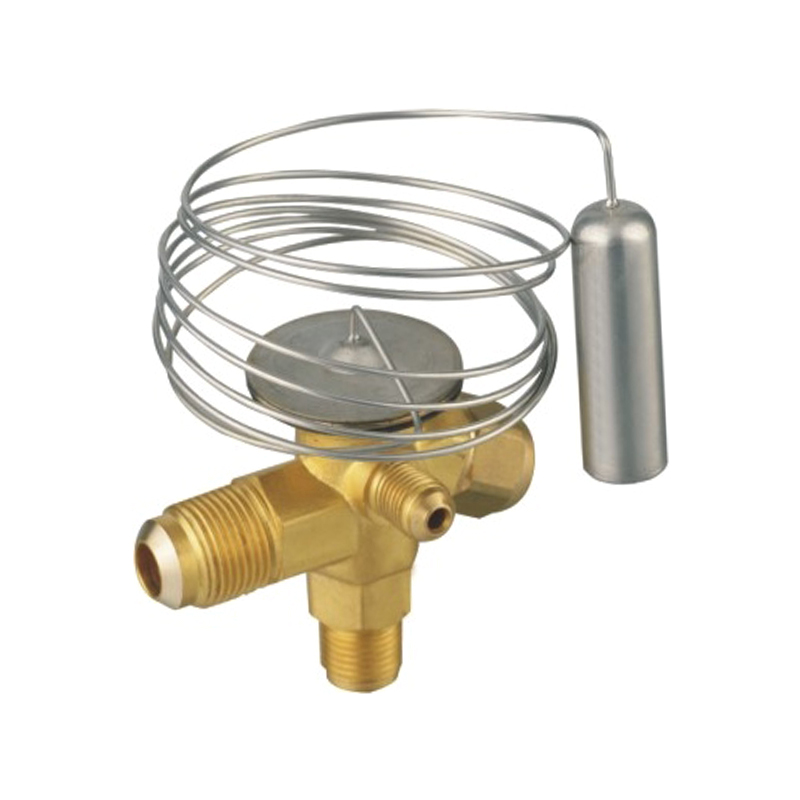
Soğuk hava deposu, gıda işleme ve endüstriyel soğutma uygulamaları için yoğunlaştırma üniteleri, vidalı veya pistonlu kompresörler ve daha büyük yoğunlaştırıcı serpantinlerle yapılandırılır. Endüstriyel üniteler, değişken hızlı kompresör sürücüleri, elektronik genleşme valfleri ve BMS (Bina Yönetim Sistemi) veya SCADA arayüzleri aracılığıyla uzaktan izleme içerebilir. Hava soğutmalı kondenser üniteleri, su soğutmalı sıkıştırmalı kondenser üniteleri ve paralel üniteler gibi ürünler, 5°C (taze ürün) ile −40°C (şoklamalı dondurma) arasındaki sıcaklıklarda sürekli çalışan soğuk zincir operasyonları için özel olarak tasarlanmıştır.
Kondansatör Malzemeleri: Bakır, Alüminyum, Paslanmaz Çelik ve Ötesi
Malzeme seçimi hem termal performans hem de servis ömrü açısından kritik öneme sahiptir. Boru malzemesi, ısı transfer verimliliğini, korozyon direncini ve proses sıvıları ve soğutucularla uyumluluğunu belirler.
| Malzeme | Isıl İletkenlik (W/m·K) | Korozyon Direnci | Tipik Uygulama |
|---|---|---|---|
| Bakır (C12200) | 386 | İyi (ılıman ortamlar) | HVAC, soğutma bobinleri |
| birluminum (3003/3102) | 155–205 | İyi (anodize veya kaplamalı) | Mikrokanal bobinleri, ACHE'ler |
| Paslanmaz Çelik 316L | 16 | Mükemmel | İlaç, gıda işleme |
| Karbon Çelik (SA-179) | 50 | Zayıf (kaplama/işlem gerektirir) | Kabuk ve boru, endüstriyel |
| Titanyum (Sınıf 2) | 21 | Mükemmel (seawater) | Denizcilik, tuzdan arındırma, kimya tesisleri |
2000'li yıllarda HVAC ekipmanlarına tanıtılan mikrokanallı alüminyum bobinler, %40–50 daha az soğutucu akışkan şarjı ve geleneksel yuvarlak borulu plaka kanatçıklı (RTPF) bakır bobinlere göre hava tarafı ısı transferini daha iyi sağlar, ancak mekanik hasarı önlemek için daha dikkatli kullanım gerektirirler ve koruyucu kaplamaların olmadığı kıyı ortamlarında galvanik korozyona daha duyarlıdırlar.
Değerlendirilmesi Gereken Temel Kondenser Özellikleri
Bir kondansatörü belirlerken veya satın alırken, doğru boyutlandırmayı ve sistem uyumluluğunu sağlamak için aşağıdaki parametreler açıkça tanımlanmalıdır:
- Isı görevi (Q): kW veya BTU/saat cinsinden toplam ısı reddetme oranı. Bir soğutma sistemi için bu, evaporatör yükü artı kompresör güç girişine eşittir - genellikle %20–30 daha fazla soğutma kapasitesinden daha fazladır.
- Tasarım basınçları ve sıcaklıkları: Hem sıcak hem de soğuk taraflar için izin verilen maksimum çalışma basıncı (MAWP) ve maksimum/minimum çalışma sıcaklıkları.
- Akış hızları: Her iki sıvı akışı için genellikle kg/s, m³/saat veya GPM cinsinden ifade edilen kütle veya hacimsel akış hızları.
- Kirlenme faktörleri: TEMA standartları kirlenme direnci değerlerini (m²·K/W) sağlar; tipik su tarafı kirlenme faktörleri su kalitesine bağlı olarak 0,0001 ila 0,0002 m²·K/W arasında değişir.
- Basınç düşüşü: bircceptable pressure drop on both sides, which affects pump and fan sizing and overall system energy use.
- Geçiş sayısı: Kabuk-boru kondansatörlerindeki tek geçişli ve çok geçişli düzenlemeler etkili LMTD düzeltme faktörünü etkiler (F faktörü, tipik olarak 0,75–1,0).
- Akışkan özellikleri: Çalışma koşullarında viskozite, yoğunluk, spesifik ısı ve termal iletkenlik; doğru boyutlandırma için kritik öneme sahiptir.
Endüstrilerdeki Kondenser Uygulamaları
Kondansatörler, ısı transferi, soğutma veya buhar işlemeyi içeren hemen hemen her sektörde karşımıza çıkar. Uygulama bağlamını anlamak, optimum kondenser tipinin daraltılmasına yardımcı olur.
HVAC ve Bina Hizmetleri
birir-cooled condensing units dominate residential applications. Large commercial buildings commonly use water-cooled centrifugal or screw chillers with shell-and-tube condensers connected to cooling towers. Data centers increasingly deploy adiabatic or evaporative condensers to achieve PUE (Power Usage Effectiveness) values below 1.2.
Gıda ve Soğuk Zincir
Süpermarketler, evaporatif veya uzaktan hava soğutmalı kondenserlere sahip dağıtılmış soğutma sistemleri kullanır. Endüstriyel soğuk hava depoları genellikle evaporatif kondansatörlere sahip amonyak sistemlerini kullanır. 500 kW'tan 5 MW'a birim başına. Küresel soğuk zincir soğutma pazarının 2023'te 20 milyar doları aşması, bu sektördeki kondenser talebinin boyutunun altını çiziyor.

Güç Üretimi
Enerji santrallerindeki buhar türbini yoğunlaştırıcıları var olan en büyük yoğunlaştırıcılardır; tipik bir 1.000 MW'lık kömür veya nükleer santralde, ısı transfer alanına sahip bir yoğunlaştırıcı bulunur. 50.000–100.000 m² . Bunlar, kıyıdaki deniz suyunu veya nehir suyunu soğutmak için genellikle titanyum veya paslanmaz çelik borulardan oluşan büyük kabuk ve boru üniteleridir.
Petrokimya ve Rafineri
Proses kondansatörleri damıtma sırasında buhar akımlarını ayırır, solventleri geri kazanır ve aşındırıcı proses sıvılarını işler. Kanatçık fanlı soğutucular olarak da adlandırılan hava soğutmalı ısı eşanjörleri (ACHE'ler), suyun kıt veya pahalı olduğu rafinerilerde standart seçimdir. ACHE demetleri tipik olarak 50°C ila 300°C arasındaki sıvı sıcaklıklarında ve 100 bar'a kadar basınçlarda çalışır.
İlaç ve Kimyasal İşleme
Farmasötik üretimdeki GMP uyumlu kondansatörlerde 316L paslanmaz çelik, Ra ≤ 0,8 µm elektro-parlatılmış yüzeyler ve CIP (yerinde temizleme) özelliği kullanılır. Geri akış kondansatörleri, üstteki buharları kısmen yoğunlaştırmak ve sıvıyı kolona geri döndürmek için damıtma kolonlarının üstünde kullanılan ve ayırma verimliliğini artıran özel bir alt tiptir.
birpplicable Standards and Codes
Kondenser tasarımı ve testleri bir dizi uluslararası ve bölgesel standartlara tabidir. Uyumluluk güvenlik açısından zorunludur ve sıklıkla sigorta ve mevzuat onayı için de gereklidir.
TEMA Standartları (Kabuk ve Boru)
Borulu Eşanjör Üreticileri Birliği (TEMA) üç inşaat sınıfı yayınlamaktadır: R (ağır endüstriyel hizmet), C (genel ticari hizmet) ve B (kimyasal hizmet). TEMA tüp boyutlarını, bölme aralığını, nozul boyutunu ve kirlenme faktörlerini tanımlar. Endüstriyel kondansatörlerin çoğu, TEMA R veya B sınıfı .
birSME Boiler and Pressure Vessel Code (BPVC)
ASME BPVC Bölüm VIII Bölüm 1, 15 psi'nin (1,03 bar) üzerinde çalışan kondansatörler için basınçlı kap tasarımını yönetir. Tasarım hesaplamalarını, malzeme sertifikasyonlarını, tahribatsız muayeneyi (NDE) ve hidrostatik testleri (tipik olarak 1,3 × MAWP'ye) zorunlu kılar.
birHRI Standards (HVAC)
İklimlendirme, Isıtma ve Soğutma Enstitüsü, AHRI 210/240 (ünite klimalar ve ısı pompaları), AHRI 340/360 (ticari paket üniteler) ve AHRI 550/590 (su soğutma paketleri) yayınlamaktadır. Bu standartlar, HVAC yoğuşmalı üniteler için standart derecelendirme koşullarını ve sertifikasyon testi gerekliliklerini tanımlar.
EN 378 ve ISO 817
Avrupa'da EN 378, kondenser tasarımı ve kurulumuna yönelik güvenlik gereklilikleri de dahil olmak üzere soğutma sistemlerini ve ısı pompalarını yönetir. ISO 817, soğutucu akışkanlar için (A1, A2L, A2, A3, B1, vb.) kondenser yerleşimini ve şarj limitlerini belirleyen güvenlik grubu sınıflandırmasını sağlar.
CTI Standartları (Soğutma Kuleleri / Evaporatif Kondenserler)
Soğutma Teknolojisi Enstitüsü (CTI), buharlaşmalı ısı atma ekipmanının performans testi için STD-490'ı yayınlıyor. Üçüncü taraf CTI sertifikasyonu, ticari ve endüstriyel projelerde termal performans iddialarını bağımsız olarak doğrulamak için yaygın olarak belirtilmektedir.
Bilmeye Değer Diğer Kondenser Tipleri
Ana kategorilerin ötesinde, çeşitli özel kondenser türleri benzersiz proses veya uygulama gereksinimlerini karşılar:
- Geri akış (kısmi) kondansatörler: Damıtma kolonlarının üzerine dikey olarak monte edilmiştir; üstteki buharı kısmen yoğunlaştırarak sıvının geri akışını kolona geri döndürürken, yoğunlaşamayan gazların geçmesine izin verirler.
- Doğrudan temaslı kondansatörler: Soğutma suyu doğrudan buhar akışına püskürtülerek borunun tıkanması önlenir. Buharlı enerji santrallerinde ve tuzdan arındırmada kullanılır, ancak proses sıvısı ve soğutucunun daha sonra karıştırılabilmesini veya ayrılmasını gerektirir.
- Barometrik (jet) kondansatörler: Egzoz buharının, pompasız vakumu korumak için 10 metre yüksekliğindeki barometrik bir ayakta doğrudan su enjeksiyonu yoluyla yoğunlaştırıldığı vakumlu buhar sistemlerinde kullanılır.
- Spiral kondansatörler: Ters yönde akan iki sıvı spiral kanallarda hareket eder; merkezkaç etkileri nedeniyle yüksek kendi kendini temizleyen türbülansa sahip, geleneksel tasarımları bozan viskoz veya parçacık yüklü sıvıları idare ederler.
- Termosifon yeniden kazan/kondenser kombinasyonları: Yüksek basınç kolonunun tabanındaki oksijen yoğunlaştırıcının aynı zamanda düşük basınç kolonu için yeniden kaynatıcı olarak görev yaptığı ve olağanüstü enerji entegrasyonu sağladığı kriyojenik hava ayırma tesislerinde kullanılır.
- Daldırma kondansatörleri: Sıvı banyosuna batırılmış bobinler; laboratuvar ve pilot ölçekli uygulamalarda veya vakum sistemleri için soğuk tuzak uygulamalarında kullanılır.
Kondenser Bakımı: Performansı ve Uzun Ömrü Korumak
Tutarlı bakım, herhangi bir soğutma sistemi için en uygun maliyetli yatırımlardan biridir. Kirli veya kısmen tıkalı bir kondansatör, kondenser basıncını yükseltir, kompresörü daha fazla çalışmaya zorlar ve aşınmayı hızlandırır. su soğutmalı kondansatör tüplerindeki 6 mm'lik tortu, ısı transfer verimliliğini %40'a kadar azaltır .

Önerilen Bakım Programı
- Aylık: Kanatçık durumunun ve ünite çevresindeki açıklığın görsel olarak incelenmesi; fan bıçağının bütünlüğünü ve motor titreşim seviyelerini kontrol edin.
- Üç ayda bir: Kanatları düşük basınçlı su veya onaylı serpantin temizleyiciyle temizleyin; fan motoru akım çekişini isim plakasındaki değere göre doğrulayın.
- birnnually: Tam bobin sızıntı testi, soğutucu akışkan şarjının doğrulanması, elektrik bağlantısı tork kontrolü ve gerektiğinde kanat düzeltme. Su soğutmalı üniteler: Her 3-5 yılda bir kimyasal tüp temizliği ve girdap akımı tüpü muayenesi.
Kıyı veya endüstriyel ortamlardaki kondansatörler için temizleme sıklığının artırılması gerekebilir. her 4-6 haftada bir Kanatçık kaplamanın ve ana metalin bozulmasından kaynaklanan tuz ve kimyasal korozyonu önlemek için.
Kondenserler Hakkında SSS
Kondenser ve evaporatör arasındaki fark nedir?
Bir soğutma çevriminde, kondenser ısıyı reddeder ve yüksek basınçlı soğutucu buharını sıvıya (sıcak taraf) dönüştürürken evaporatör ısıyı emer ve düşük basınçlı sıvı soğutucuyu buhara (soğuk taraf) dönüştürür. Her ikisi de ısı değiştiricidir ancak zıt termodinamik işlevleri yerine getirirler. Kondenser her zaman sistemin yüksek basınç ve yüksek sıcaklık tarafında bulunur.
Kondenser ne sıklıkla temizlenmelidir?
birir-cooled condenser coils in HVAC systems should typically be cleaned yılda bir veya iki kez — tozlu, polenli veya kıyı ortamlarında daha sık görülür. Açık soğutma kulelerine bağlı su soğutmalı kondenserler, genel ısı transfer katsayısı temiz tasarım değerinden %20'den fazla düştüğünde düzenli su arıtımı (biyosit, kireç önleyici, korozyon önleyici) ve boruların kimyasal temizliğini gerektirir.
Bir soğutma sisteminde yüksek yoğuşma basıncına (yüksek basınç) ne sebep olur?
En yaygın nedenler kirli veya kirli kondenser yüzeyleri, yetersiz hava akışı (blokajlı bobinler, arızalı fanlar), yüksek ortam sıcaklıkları, sistemdeki yoğunlaşamayan gazlar (nitrojen veya hava) veya aşırı soğutucu şarjıdır. bir 5°C increase in condensing temperature raises compressor power consumption by approximately 3–5% ve sistem kapasitesini azaltır, bu nedenle uygun yoğuşma basıncının korunması hem verimlilik hem de ekipmanın ömrü açısından önemlidir.
Kondenser buharlaştırıcı olarak tersten kullanılabilir mi?
Isı pompası sistemlerinde evet — dış ünite serpantini, soğutma modunda kondenser olarak, ısıtma modunda ise soğutucu akışının tersine çevrilmesi yoluyla evaporatör olarak işlev görür. Ancak fiziksel olarak aynı ısı eşanjörleri her zaman birbirinin yerine kullanılamaz; kondansatör genellikle iki fazlı yoğuşma prosesine uyum sağlamak için daha büyük bir soğutucu tarafı hacmiyle tasarlanırken, buharlaştırıcı çekirdek kaynaması için geliştirilmiş yüzey özelliklerine sahip olabilir.
Bir kondansatörün tipik ömrü nedir?
Bakımı yapılmış hava soğutmalı HVAC yoğuşmalı üniteler son 15–20 yıl . Uygun su arıtımına ve periyodik boru temizliğine sahip endüstriyel kabuk-boru kondenserleri genellikle 25-35 yıl hizmette kalır. Temiz su hizmetindeki lehimli plakalı ısı eşanjörleri 20 yıl dayanabilir, ancak kirlenmeye ve donma hasarına karşı hassastırlar, bu da yanlış çalıştırıldığında hizmet ömrünü 5 yılın altına düşürebilir.
Uygulamam için kondansatörü nasıl boyutlandırabilirim?
Toplam ısı atma görevini (Q = evaporatör yükü kompresör gücü) hesaplayarak başlayın. Mevcut soğutma ortamı sıcaklığını ve gerekli akış hızını belirleyin. Her iki akışın giriş ve çıkış sıcaklıklarına göre LMTD'yi hesaplayın. Kapasiteye, kapladığı alana, su mevcudiyetine ve kirlenme eğilimine göre bir kondansatör tipi seçin. Gerekli yüzey alanını belirlemek için Q = U × A × LMTD ısı transferi denklemini uygulayın. TEMA tavsiyelerine göre kirlenme faktörü payı ekleyin; bu genellikle gerekli alanı şu oranda artırır: %10–25 temiz tasarımın üzerinde. Kritik uygulamalarda ayrıntılı termal-hidrolik analiz için HTRI Xchanger Suite veya HTFS gibi simülasyon yazılımlarını kullanın.